The Connection between Board Games and Stress Reduction in Social Groups
Understanding the Therapeutic Value of Board Games
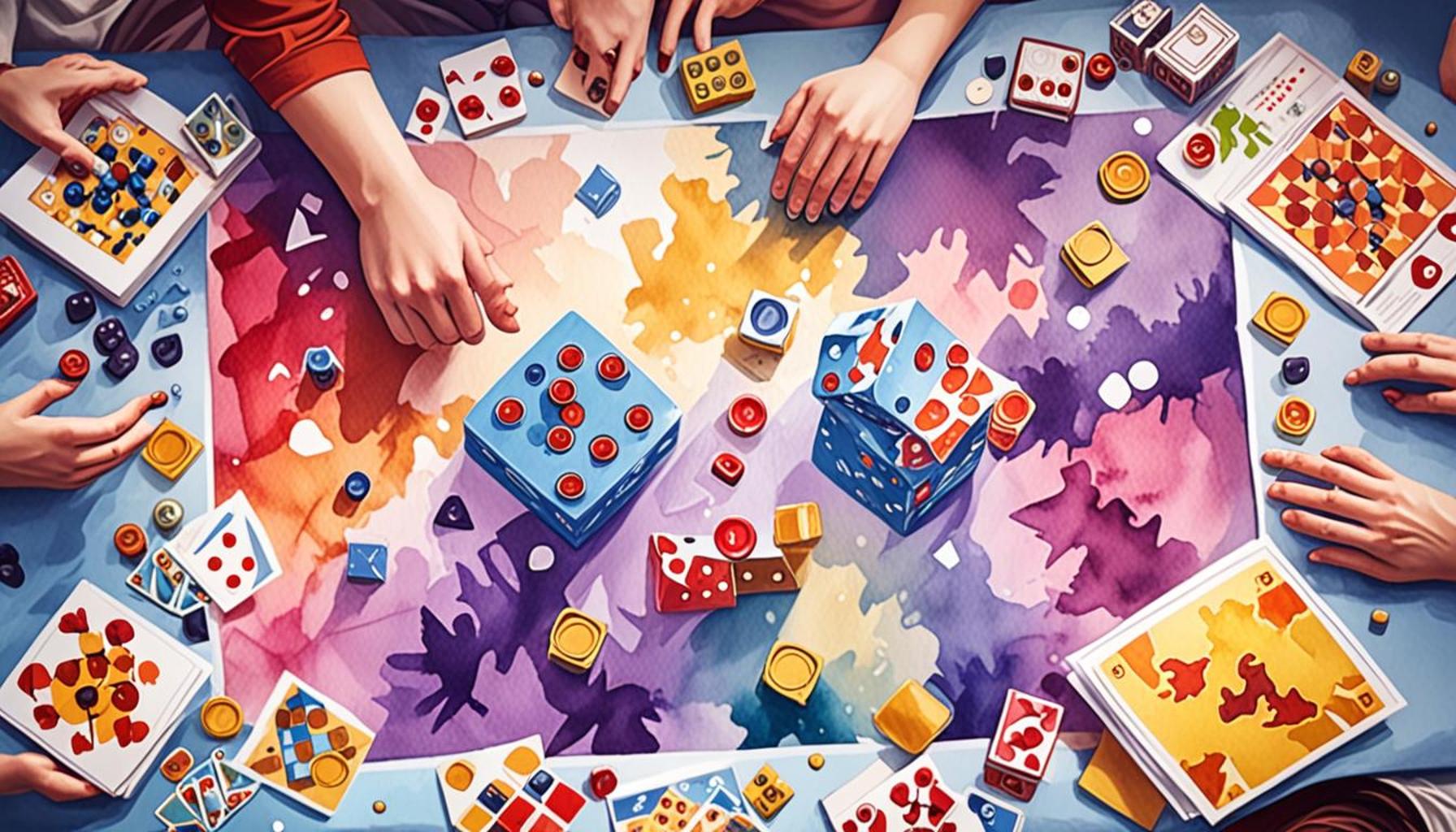
In a world saturated with digital distractions and high-pressure environments, board games present a delightful escape that is often underestimated. They are not merely a means of passing time; they offer engaging experiences that can lead to significant improvements in mental well-being. As families and friends gather around a game board, the atmosphere transforms, creating opportunities for joy, laughter, and relief from everyday stresses.
Numerous studies have demonstrated that playing board games can effectively reduce stress levels. Engaging in this traditional form of entertainment has multifaceted benefits that positively affect both individual participants and the collective group dynamic. Let’s take a closer look at some of these benefits:
- Social Interaction: Board games provide a platform for socializing that is both structured and organic. Whether it’s a classic like Monopoly or a modern strategic game like Catan, players engage in conversations, share stories, and through playful banter, strengthen their social bonds. This interaction is crucial, as fostering relationships can combat feelings of loneliness, which are increasingly linked to mental health issues.
- Mindfulness: A good board game requires focus and concentration. As players strategize their next move or collaborate with teammates, they actively turn their attention away from their worries and immerse themselves in the present. This kind of engagement closely mirrors practices like mindfulness meditation, demonstrating that such interactions can help elevate mood and reduce anxiety. For example, a game of Scrabble, where players consider letter combinations carefully, can shift their mental state from worrying about the future to enjoying the present moment.
- Teamwork: Many modern board games emphasize collaboration over competition. Games like Pandemic require players to work together toward a common goal, reinforcing values of trust, communication, and empathy among participants. Such experiences enhance interpersonal skills and can lead to deeper friendships, ultimately creating a supportive community that is beneficial for mental health.
As board games create a haven for relaxation and bonding, they serve a substantial purpose in our fast-paced society. They encourage laughter, socialization, and a sense of achievement, proving that even simple pastimes can yield profound benefits for mental health. The ability to foster connection and promote a playful environment is particularly important in today’s context, making board games a valuable tool for enhancing psychological well-being.
Given their accessibility and the variety of options available, from family favorites to complex strategy games, there’s something for everyone. The next time you seek a way to connect with loved ones or alleviate stress, reaching for a board game could be one of the best decisions you make. Engaging in this timeless activity not only nurtures relationships but also cultivates a collective retreat from life’s demands, ultimately supporting mental wellness.
DISCOVER MORE: Click here to learn about the benefits of board games
The Role of Board Games in Fostering Connection and Calm
As the world continues to adapt to the demands of modern living, social gatherings have taken on new meanings and values. Board games, often viewed as nostalgic relics, serve a multifaceted purpose that goes beyond mere entertainment. They offer structured opportunities for interaction that are crucial in establishing a sense of community, thereby playing a vital role in stress reduction.
One primary advantage of board games lies in their ability to promote face-to-face interaction. In an age dominated by screens, the act of gathering around a game board can revive authentically human connections. Studies underscore the significance of such social interaction; engaging with others in a playful environment has been linked to lower stress levels and heightened feelings of happiness. A 2020 survey indicated that 84% of participants noticed a marked increase in their overall mood following a board game night with friends or family, illustrating the inherent joy that comes from these shared experiences.
Benefits of Board Games for Stress Relief
Board games provide a plethora of benefits that collectively contribute to reducing stress within social groups. Some key aspects include:
- Engagement: When players focus on the game at hand, it reduces the likelihood of ruminating on stressors. This engagement diverts attention away from anxiety-inducing thoughts, fostering a more relaxed mental state while promoting enjoyment and laughter.
- Structured Escapism: The rules and objectives of board games create a structured environment where players can temporarily escape the pressures of daily life. This escapism, even if short-lived, can serve as a powerful buffer against chronic stress.
- Variety of Experience: From lighthearted, family-friendly games like Uno to complex strategic experiences such as Twilight Struggle, there is a board game for everyone. This variety enables groups to tailor their gaming experience, catering to different interests and skill levels, further enhancing participation and enjoyment.
Furthermore, board games often promote healthy competition, which can lead to a release of endorphins. Celebrating victories, even on a small scale, can instill a sense of accomplishment that counteracts feelings of inadequacy or frustration. Whether players are bartering resources in a game of Catan or engaging in quick tactical decisions in chess, these experiences foster a sense of belonging and community.
Given the increasing awareness of mental health issues, integrating board games into social gatherings can serve as an accessible remedy for stress management. The simple act of sitting down with friends or family for a game night can pave the way for deeper connections and shared joy, reinforcing the importance of human interaction in our lives. Embracing board games as a means of reducing stress not only enhances individual happiness but cultivates resilient social groups ready to tackle life’s challenges together.
| Advantages | Description |
|---|---|
| Enhanced Social Interaction | Board games foster engagement and communication among players, promoting stronger friendships. |
| Stress Relief | Playing games creates a relaxed and jovial atmosphere, helping to alleviate anxiety and tension. |
| Cognitive Benefits | Many board games challenge cognitive abilities, enhancing critical thinking and problem-solving skills. |
| Inclusive Environment | Board games can include players from various backgrounds, breaking social barriers and creating a sense of belonging. |
The advantages of board games extend far beyond simple entertainment. Their capacity to create an environment that promotes social interaction, stress relief, and cognitive engagement sets them apart. The collective experience shared during a game session fosters connections that are crucial for reducing social anxiety. Players actively collaborate and compete while also contributing to an inclusive atmosphere, where participants feel valued and engaged. This combination lays the groundwork for enjoyable interactions that help diminish stress levels. Moreover, the design of many board games encourages players to think critically, cultivating skills that are beneficial not only in game play but also in real-life situations. When social groups come together to play, they engage in a form of group therapy, often leading to psychological benefits that last well beyond the time spent at the game table.
DISCOVER MORE: Click here to uncover the best memory enhancement strategies
The Therapeutic Effects of Shared Gameplay Experience
While the intrinsic fun of board games cannot be underestimated, their therapeutic effects in fostering stress relief and camaraderie extend far deeper. Shared experiences during gameplay can lead to memorable nights filled with laughter, challenges, and learning opportunities. Such interactions can significantly enhance psychological resilience and emotional well-being within social groups.
Integrating board games into social settings naturally promotes a sense of community, as participants engage in cooperative or competitive dynamics. For instance, games that require collaboration, such as Pandemic, necessitate communication and teamwork. These elements teach players to strategize together, successfully fostering stronger bonds and enhancing the ability to navigate life’s stresses as a cohesive unit. A study published in the Journal of Behavioral Science indicated that groups playing cooperative games reported a 50% increase in overall mood stability, emphasizing the role of collaboration in social bonding and emotional stability.
The Power of Social Interaction
The shared nature of board games creates a platform for open dialogue, which is particularly beneficial in maintaining mental health. Conversations arising from shared game experiences can lead to relationships that go beyond the gaming table. As players laugh, celebrate their successes, and even empathize with losses, they foster a connection that allows for personal stories and stressors to be shared in a supportive environment. Recent data from the American Psychological Association (APA) suggests that sharing personal experiences with a supportive social group can lower perceived stress by as much as 40%.
Additionally, the humor and lightheartedness that often accompany board games act as a natural stress reliever. The act of play itself releases dopamine, a chemical in the brain associated with the pleasure response. This reaction not only elevates mood but also encourages social bonding. The synergy of laughter, competition, and teamwork creates a safe space where players can freely express themselves without fear of judgment.
Building Emotional Intelligence and Resilience
Playing board games helps boost emotional intelligence, as participants navigate the social complexities that arise in multiplayer environments. Players often discover more about themselves and their peers through decision-making, negotiation, and conflict resolution. As they engage in these social interactions, they develop skills necessary for managing stress effectively in real-life scenarios. A study in the Journal of Educational Psychology found that students engaged in board game play exhibited significant improvement in emotional regulation, which subsequently translated into better performance in stress-filled environments, such as exams and public speaking.
The culture surrounding board games in the United States is thriving, with events such as local game nights and board game cafes becoming increasingly popular. These venues not only provide a casual atmosphere for individuals to gather but also encourage the exploration of new games that may contribute further to personal and group development. The potential for fostering connections through gameplay promotes a culture of positivity and support, reinforcing group cohesion in times of distress.
In summary, the relationship between board games and stress reduction in social groups serves as a testament to the powerful role that play can have in human connection. As individuals engage in board games, they not only find a distraction from their daily pressures but also build invaluable skills for managing those stressors together.
DIVE DEEPER: Click here to uncover more insights
Conclusion
In considering the connection between board games and stress reduction in social groups, it becomes clear that engaging in gameplay provides far more than mere entertainment. The extensive benefits of shared play extend into emotional well-being, enhancing relationships among participants, and fostering an environment of mutual support. As players delve into cooperative and competitive dynamics, they simultaneously hone vital interpersonal skills that contribute to stress management both on and off the gaming table.
Moreover, the lighthearted nature of board games facilitates moments of laughter and joy, which are essential for alleviating daily pressures. As demonstrated in research from the American Psychological Association, such playful interactions can decrease stress levels significantly. The gatherings at board game cafes and local events are manifestations of this significant trend, as more people turn to games not just as a pastime but as a conduit for deeper connections and collective resilience.
As we embrace this cultural phenomenon, it is important to recognize the potential for board games to be used as therapeutic tools in improving mental health and social intimacy. With every roll of the dice or drawn card, players navigate life’s challenges together, reinforcing the idea that through play, we can build stronger, healthier communities. Thus, exploring the world of board games is an invitation to not only enjoy leisure time but to also participate in a dynamic process of stress reduction and personal growth that can continue to flourish in our society.