The Impact of Music on Memory Games: Enhancing Cognitive Performance Through Sound

The Impact of Music on Cognitive Functioning
In recent years, the intersection of music and cognitive performance has garnered significant attention in scientific research. Notably, studies suggest that music can play a pivotal role in enhancing various aspects of memory. This begs the question: Can music enhance memory game performance? As we delve deeper into this fascinating subject, it becomes evident that the implications stretch far beyond simple entertainment, with potential applications in education, gaming, and even therapeutic practices.
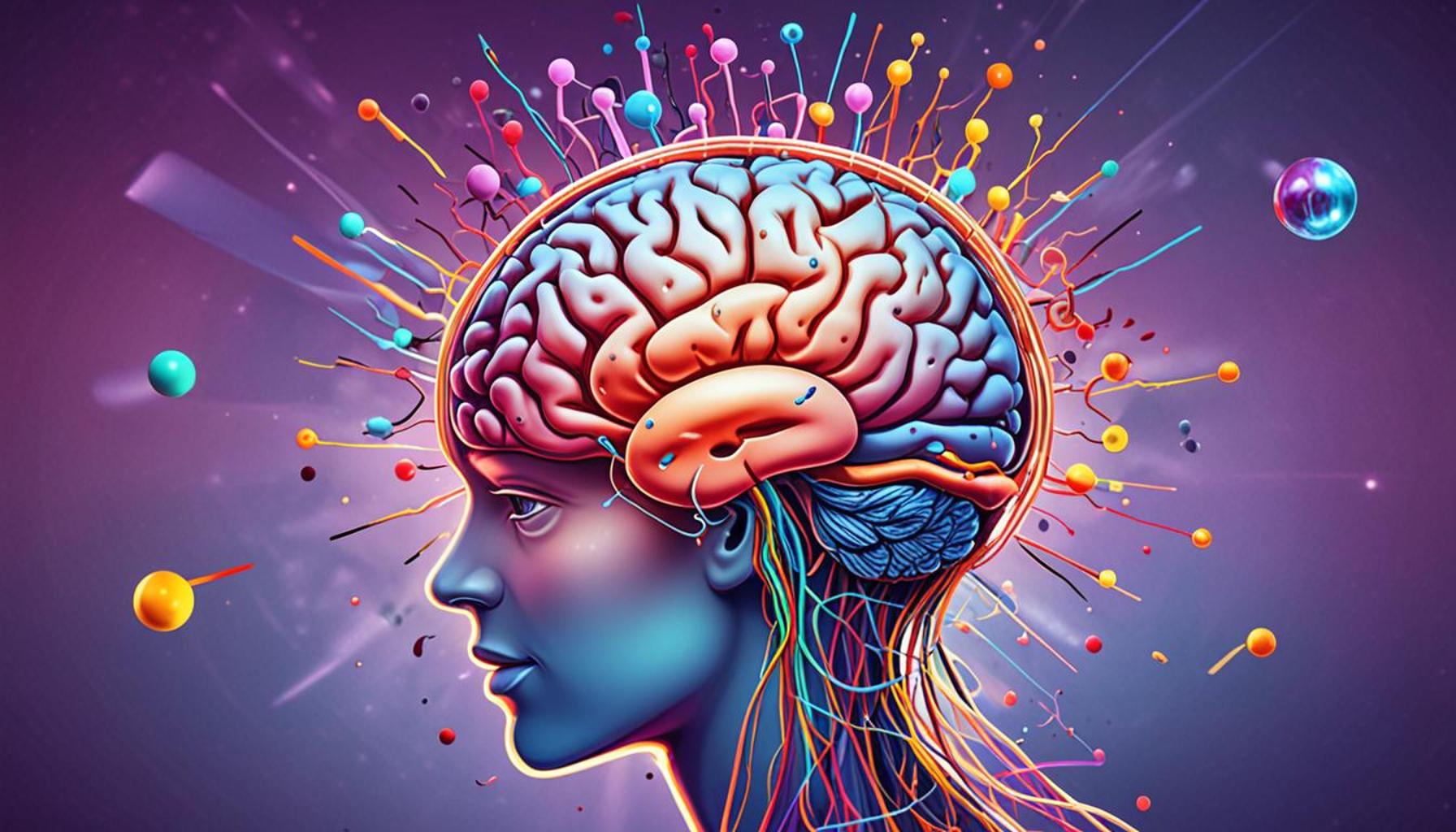
The neurological underpinnings of the bond between music and memory are complex and involve multiple brain regions. For instance, the hippocampus, which is crucial for forming new memories, responds positively to auditory stimuli. Several key benefits have been observed in cognitive tasks involving music:
- Enhanced focus during memory tasks: Background music, particularly instrumental pieces, can create an environment conducive to concentration, allowing individuals to filter out distractions.
- Improved recall of information: Research has shown that music can serve as a mnemonic device, aiding in the retrieval of learned information when the same music is later played.
- Increased engagement in cognitive exercises: People often find memory games more enjoyable when accompanied by music, leading to prolonged participation and effort.
- Boosted mood and motivation: Upbeat and positive tunes can elevate an individual’s mood, making them more inclined to engage in challenging memory games and tasks.
For example, a study conducted by a team at the University of Phoenix demonstrated that participants who listened to classical music while performing memory tests scored significantly higher than those in silence. Similarly, upbeat genres like pop and electronic music have been linked to quicker reaction times in mobile memory games, showcasing the active role that rhythm and melody play in cognitive tasks.
As we further explore this topic, the pathological implications become increasingly relevant. Tailoring memory games to incorporate specific genres of music could maximize their effectiveness in various settings. For instance, teachers could use background music to complement lessons, thereby enhancing students’ retention rates. Similarly, in therapeutic environments, creating playlists tailored to patients’ music preferences could provide a dual benefit of enjoyment and cognitive improvement.
In conclusion, the potential for innovation in cognitive enhancement strategies through music is significant. As researchers continue to uncover the effects of different musical elements on memory and cognitive functions, the future promises exciting applications in education, gaming, and rehabilitation. Whether it’s a student aiming to ace an exam or an individual recovering from brain injury, the right soundtrack could very well be the key to unlocking greater cognitive capacity.
DISCOVER MORE: Click here to learn about the link between cognitive challenges and stress relief
How Music Influences Memory Game Dynamics
To understand the impact of music on memory games, it’s essential to examine how sound can shape cognitive performance. Music, in its various forms, acts as more than just a backdrop; it becomes a crucial element in how individuals engage with memory tasks. The relationship between music and cognitive enhancement can be broken down into several key mechanisms that illustrate its profound effects on memory game dynamics.
One of the most compelling aspects of music’s influence lies in its ability to alter brainwave activities. Research reveals that listening to music can induce a state of mind that enhances alpha waves, known for their association with relaxation and alertness. This state not only facilitates concentration but also creates a mental environment that is ripe for enhancing memory retention. When players engage in memory games while listening to music, they often experience a noticeable increase in their ability to absorb and recall information.
Moreover, the emotional responses triggered by music play a significant role in how we perform in memory tasks. Studies have shown that soundtracks featuring melodies associated with positive feelings can lead to increased motivation and a more persistent engagement with the game. As individuals navigate through complex memory tasks, uplifting music serves to reinforce resilience, making challenging elements of the game feel more enjoyable. This correlation is further highlighted in findings that suggest players who listen to energetic music outperform those exposed to monotonous or neutral soundscapes.
Benefits of Integrating Music in Memory Games
Integrating music into memory games presents several benefits that can enhance the overall gaming experience, including:
- Increased Retention: Music can act as a mnemonic device, assisting players in memorizing sequences or patterns by pairing them with specific melodies.
- Heightened Focus: A well-chosen musical backdrop can minimize distractions, allowing players to immerse themselves more deeply in the cognitive tasks at hand.
- Improved Spatial Awareness: Certain genres of music, such as classical, have been associated with elevated spatial-temporal skills, critical for many memory games.
- Enhanced Creativity: Music can stimulate divergent thinking, essential for strategy development in complex memory puzzles.
As researchers delve deeper into the harmonization of music and cognitive function, intriguing patterns emerge. For instance, a recent study from Stanford University indicated that participants engaging in memory games while listening to specific genres of music not only solved puzzles faster but also reported higher satisfaction levels. Conversely, music that was too disruptive or discordant proved detrimental, highlighting the critical need for careful selection of tracks.
With the potential for significant advancements in both educational and recreational contexts, integrating music into memory games is a burgeoning field of interest. As society increasingly embraces the convergence of entertainment and cognitive science, the exploration of soundscapes in memory improvement is set to redefine how we engage with learning and playing alike.
The Role of Sound in Enhancing Memory Performance
Music has long been recognized as a powerful tool for enhancing cognitive performance, particularly in the realm of memory games. When engaging with memory-enhancing exercises, the inclusion of sound can significantly alter the way individuals process and retain information. Research consistently demonstrates that rhythmic and melodic structures in music can help improve focus, thereby enhancing the overall effectiveness of memory tasks.
Neurological Benefits of Music in Learning
The impact music has on the brain is profound. Studies have shown that listening to music triggers the release of dopamine, a neurotransmitter associated with pleasure and reward, which significantly boosts motivation and engagement in memory tasks. Additionally, music can facilitate better neural connections, promoting faster retrieval of information, particularly in high-pressure scenarios often encountered during memory games. Moreover, the type of music played can create an optimal learning environment. For instance, classical music, with its calming and structured nature, is often preferred for tasks requiring deep concentration. Conversely, more upbeat tunes can energize the brain, leading to improved performance during interactive memory games.
Integrating Music into Memory Games
To take advantage of music’s cognitive benefits, integrating it into memory games can be achieved in numerous ways. For example, players might listen to curated playlists to enhance their gaming experience or participate in sound-based memory challenges that incorporate musical elements. These activities not only make the learning experience more enjoyable but also foster a deeper connection between play and cognitive task performance.Overall, whether through enriching the entertainment factor or facilitating a better learning atmosphere, the integration of music into memory games holds substantial promise for enhancing cognitive capabilities and engaging players in a unique learning experience.
| Category | Advantages |
|---|---|
| Cognitive Improvement | Music enhances concentration and facilitates quicker information retrieval, boosting overall memory performance. |
| Engagement | Incorporating music into memory games increases enjoyment, motivating players to engage more fully with the tasks at hand. |
DISCOVER MORE: Click here to dive deeper
The Neuroscience Behind Music and Memory
Exploring the intersection between music and memory requires not only an understanding of cognitive processes but also an examination of the underlying neuroscience. The brain’s response to music is intricately linked to its role in memory formation and retrieval. When engaged in memory games, neural pathways activate in response to auditory stimuli, resulting in enhanced cognitive functions. This activation is particularly evident in areas such as the hippocampus, which plays a critical role in forming new memories. Research has demonstrated that rhythmic features in music can synchronize with brain activity, leading to increased sensory processing and ultimately, memory performance.
Moreover, music serves as an effective tool for mobilizing dopamine release, a neurotransmitter closely associated with pleasure and reward. When players combine music with memory tasks, the pleasurable experience associated with enhanced gameplay elevates motivation levels, creating a positive feedback loop. This effect is particularly effective in educational settings, where learning through play has been shown to significantly improve memory retention in children. Schools that have integrated musical elements into academic exercises often report remarkable improvements in students’ cognitive engagement.
Case Studies and Real-World Experiences
Several case studies illustrate the powerful impact music can have on memory games, providing real-world contexts to support theoretical findings. One notable instance is found in the application of musical mnemonics in therapeutic settings. Individuals with cognitive impairments, such as Alzheimer’s disease, have shown remarkable progress when memory exercises are paired with familiar tunes. These experiences assist in triggering autobiographical memories, allowing individuals to engage with past experiences more vividly. In one celebrated program, researchers employed songs from participants’ youth to facilitate recognition and recall, significantly improving the quality of life for individuals affected by dementia.
Furthermore, research conducted within gaming industries reveals that the right musical elements can transform a simple memory game into a captivating learning experience. Companies integrating a dynamic soundtrack tailored to the rhythm and pace of gameplay witness increased user engagement and satisfaction. For instance, popular mobile memory apps have adopted varied genres—from upbeat pop to soothing classical music—finding enhanced user retention and performance scores tied directly to the auditory experience offered.
Musical Genres and Their Effects on Cognitive Performance
The choice of musical genre also plays a pivotal role in determining cognitive outcomes. Studies indicate that classical music, particularly pieces characterized by complexity and rich emotional undertones, can enhance analytical and recall skills. For example, the “Mozart Effect,” a widely referenced phenomenon, suggests that listening to Mozart’s compositions can temporarily boost performance on tasks that require spatial-temporal reasoning. Conversely, while genres like ambient or electronic music may promote relaxation, players might find it beneficial to engage with genres that stimulate energy and rhythm when participating in competitive memory games.
In summary, the multidimensional relationship between music and memory showcases a wealth of opportunities for leveraging auditory stimuli to enhance cognitive performance. As researchers continue to explore the implications of sound in memory tasks, the potential for improving educational frameworks and recreational activities remains incredibly promising. Integrating structured, genre-specific music into memory games not only represents a fusion of entertainment and science but also opens doors to richer experiences for players—ushering in a new era of learning and cognition.
DIVE DEEPER: Click here to discover more techniques
Conclusion
In conclusion, the interplay between music and memory reveals significant insights into the enhancement of cognitive performance through sound. As we delve deeper into the complexities of how music influences brain function, it becomes apparent that strategic integration of auditory elements into memory games can lead to profound improvements in learning and retention. The evidence supporting the neurological connections between musical cues and memory retrieval highlights a promising frontier in educational methods and therapeutic practices alike.
Case studies confirm that structured musical interventions can facilitate memory recall, particularly in individuals with cognitive challenges, such as dementia patients who benefit from auditory prompts linked to personal histories. Likewise, the gaming industry has recognized the value of tailored soundtracks, where engaging rhythms enhance not only player enjoyment but also overall cognitive performance. This demonstrates a clear demand for further exploration into genre-specific opportunities, aligning musical characteristics with the desired cognitive outcomes.
As we move forward, the question of how to optimize music in memory games presents an exciting challenge for both researchers and educators. Understanding the nuances of sound—from the emotive power of classical compositions to the energizing properties of upbeat genres—remains pivotal. Thus, investigating new methodologies to harness the impact of music on cognitive tasks promises to unveil innovative ways of enhancing memory performance across various age groups and settings.
Ultimately, the impact of music on memory games goes beyond entertainment; it paves the way for enriched educational experiences, greater engagement levels, and improved cognitive health, ushering us into a new era of learning shaped by the harmonious blend of sound and memory.