Neuroscience of Memory Games: Understanding Brain Activity During Cognitive Challenges
The Complexity of Memory and Brain Function
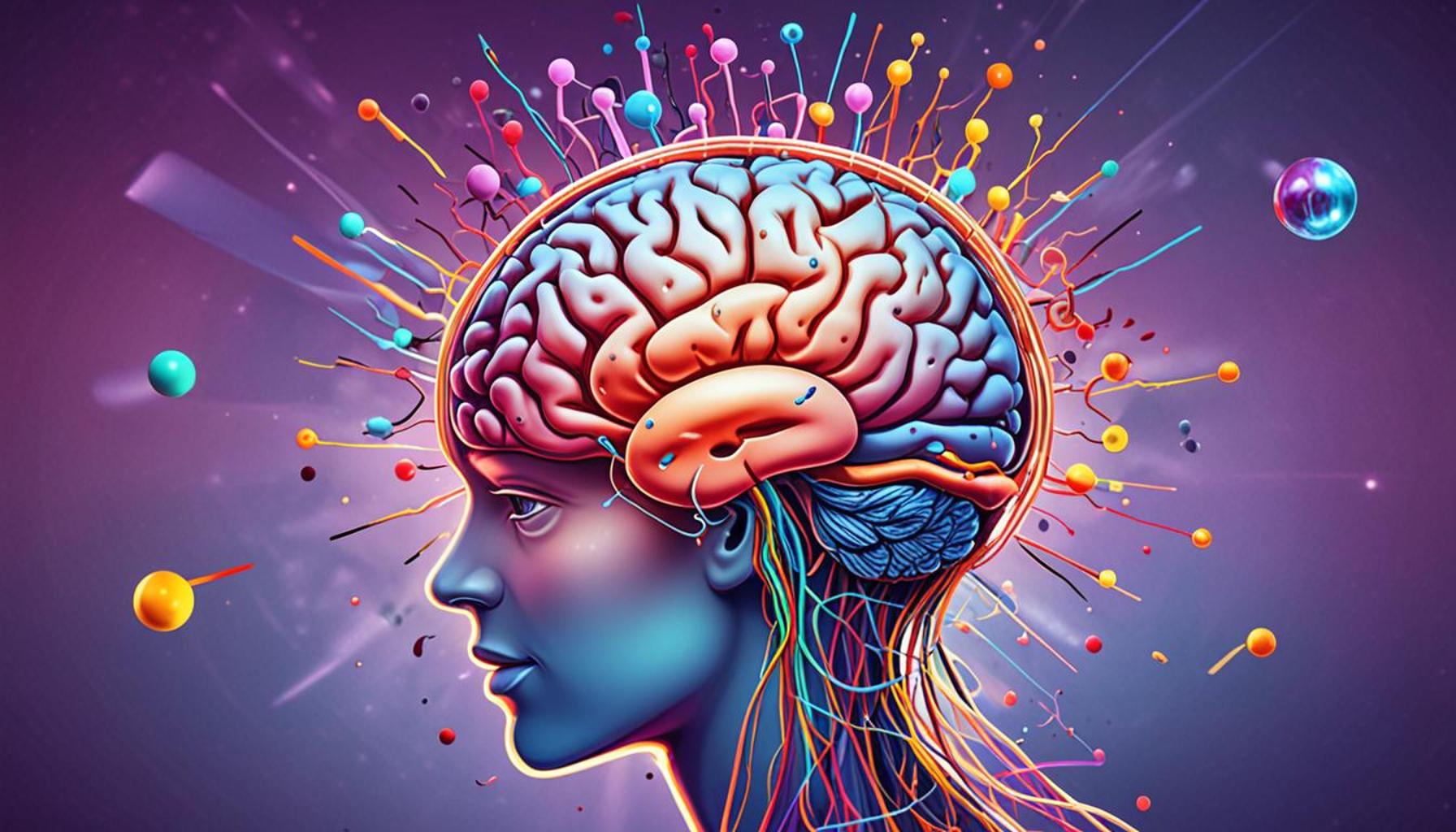
The human brain is an intricate network of neurons, constantly processing, storing, and recalling information. As we engage in memory games, a fascinating relationship unveils itself between cognitive challenges and brain activity. Understanding this relationship can lead to profound insights into how we learn and remember, making the exploration of memory games a significant endeavor for both casual players and neuroscientists alike.
Memory games serve as more than just a means of entertainment; they act as valuable tools for:
- Enhancing Cognitive Skills: Regular engagement with memory games can significantly improve attention, focus, and problem-solving. For example, children who regularly play memory-enhancing games often demonstrate improved academic performance, showcasing how these skills translate into real-world scenarios.
- Stimulating Brain Regions: Certain games, such as puzzle-solving and pattern recognition, activate different areas of the brain, including the hippocampus—essential for forming new memories—and the prefrontal cortex, which handles decision-making and social behavior.
- Assessing Memory Function: Memory games are utilized in various research settings to measure memory retention and recall abilities. For instance, clinical trials often use simulation games to evaluate cognitive functions in older adults, allowing researchers to track the effects of interventions aimed at improving cognitive health.
Studies in neuroscience have revealed how these mental workouts can profoundly influence brain plasticity. Increasing evidence suggests that playing challenging memory tasks can lead to:
- Increased gray matter volume, particularly in areas associated with memory, reflecting a physical change in brain structure that supports improved memory capacity.
- Enhanced neural connections, which not only improves overall cognitive performance but also fosters creativity and critical thinking, essential skills in today’s fast-paced world.
- Aiding in the mitigation of age-related cognitive decline by keeping the mind active. Engaging in memory games has shown promise in reducing the risk of dementia and maintaining cognitive function into old age.
As we delve deeper into the mechanics of memory games, we uncover how our brains respond to challenges, adapt, and ultimately grow stronger. This journey into brain function invites you to explore the exciting world of neuroscience and psychology, revealing the latent potential of our minds. Investigating this relationship not only enriches our understanding but also empowers individuals to harness cognitive exercises as a proactive approach to maintaining mental acuity.
DIVE DEEPER: Click here to uncover the role of neuroplasticity in enhancing your memory
How Memory Games Engage the Brain
Memory games are not merely a pastime; they are a unique gateway into the complexities of cognitive function. When individuals participate in these challenges, their brains exhibit remarkable activity patterns that reflect the mental processes underlying learning and memory. This is where neuroscience intersects with the everyday experiences of countless players, providing empirical insights into how we think and remember.
Engaging in memory games activates multiple areas of the brain, each with distinct roles in memory formation and retrieval. The brain regions most notably involved include:
- The Hippocampus: Often described as the brain’s memory center, the hippocampus is crucial for consolidating short-term memories into long-term ones. Memory games stimulate this area, enhancing its function and facilitating stronger memory retention.
- The Prefrontal Cortex: This region is responsible for executive functions, including planning, attention, and decision-making. Memory games that require strategy and foresight can activate the prefrontal cortex, ultimately sharpening overall cognitive abilities.
- The Amygdala: Known for its role in processing emotions, the amygdala gets engaged during competitive or stressful gameplay. Understanding how emotional context influences memory formation is a growing area of research that underscores the importance of emotional intelligence in cognitive challenges.
A fascinating aspect of memory games is their ability to promote neuroplasticity, which is the brain’s capacity to reorganize itself by forming new neural connections. This phenomenon is particularly significant for individuals of all ages, as it demonstrates that cognitive abilities can be enhanced through deliberate practice. For example:
- Young Learners: Children exposed to memory games in educational settings often show marked improvements in cognitive skills, such as spatial reasoning and working memory, laying a strong foundation for future academic success.
- Adults and Seniors: Engaging in memory tasks can help combat cognitive decline associated with aging. Research indicates that older adults who participate in regular memory training exhibit better cognitive health and lower incidence rates of neurodegenerative diseases.
Additionally, a growing body of research suggests that memory games may lead to improvements in mental health. The focus and engagement required in such tasks can reduce anxiety and improve mood, providing a valuable outlet for stress relief. This connection between cognitive exercises and emotional well-being highlights the multidimensional benefits of memory games.
As we continue to investigate the neuroscience behind memory games, the implications of this research are profound. From enhancing academic performance in children to supporting cognitive health in older adults, these games serve as practical tools that can enrich our lives. By understanding how challenging our minds can lead to greater cognitive function, individuals can take proactive steps toward maintaining mental acuity throughout their lives.
| Advantages | Understanding Brain Activity |
|---|---|
| Enhanced Memory Retention | Playing memory games engages the hippocampus, crucial for processing and storing new memories, leading to improved retention. |
| Cognitive Flexibility | Challenging games can stimulate pathways in the brain, promoting neuroplasticity and adapting to new cognitive demands. |
| Stress Reduction | Engaging in memory games can help reduce stress by enhancing dopamine production, which promotes feelings of pleasure and motivation. |
| Age-Related Cognitive Decline Mitigation | Regular participation in cognitive challenges can slow down the aging process of the brain, maintaining cognitive functions and preserving memory. |
The intricate workings of the brain during memory games reveal profound insights into how we learn and retain information. Neuroscience indicates that these games elevate brain connectivity, promoting communication between different brain regions. The resultant cognitive challenge stimulates not only memorization but also problem-solving skills, which prove essential in everyday life. Engaging in such activities has been shown to increase the amount of grey matter, indicating a healthier brain structure. This is crucial as we confront cognitive challenges that arise with age or stress, highlighting the importance of continual mental exercise to maintain brain vitality. Exploring the links between memory games and cognitive processes unravels opportunities to enhance our mental agility.
DISCOVER MORE: Click here to dive deeper
The Cognitive Benefits of Memory Games
As we delve deeper into the neuroscience of memory games, it’s essential to explore the myriad cognitive benefits they provide. Beyond mere entertainment, these games serve as a powerful tool for enhancing various cognitive skills, leading to improvements not only in memory but also in overall cognitive function. This section highlights the specific benefits that stem from regular engagement with memory challenges.
One of the significant advantages of memory games is their capacity to improve working memory, which is the short-term storage and manipulation of information. Working memory is crucial in everyday tasks, whether it’s remembering a grocery list while shopping or solving math problems. Research shows that regular participation in memory games can boost working memory capacity, which enables individuals to handle complex tasks more efficiently. A study conducted by the University of Illinois found that participants who engaged in memory training exhibited substantial improvements in their working memory performance—a vital skill for academic and professional success.
In addition to enhancing working memory, memory games can also improve focus and attention. This is particularly relevant in a world filled with distractions. With the attention span of individuals seemingly dwindling in the digital age, games that require concentration can provide much-needed training for the brain. The anterior cingulate cortex, a region of the brain associated with attention and error detection, becomes more active during memory tasks. As players practice concentrating on game patterns or recalling sequences, they may find that their ability to maintain attention in other aspects of daily life also improves.
Moreover, memory games can enhance pattern recognition, a skill that is foundational in various domains, from mathematics to language learning. Players must recognize and remember patterns in gameplay to succeed, and this practice can translate into enhanced skills in real-world applications. For instance, students taking part in memory games have shown increased ability in solving complex mathematical problems, showcasing how these games can facilitate the understanding of abstract concepts.
The benefits of memory games extend into social domains as well, fostering collaborative skills when played as a group. Games that require teamwork encourage players to communicate effectively, listen actively, and strategize collaboratively. These social interactions not only offer cognitive benefits, but also enhance emotional intelligence and social bonds among players, contributing to overall well-being.
Importantly, the effects of these games are cumulative. The more frequently individuals engage in memory tasks, the more pronounced the benefits become. This is linked to the concept of brain training, which posits that just like physical exercise, mental workouts can lead to sustained cognitive improvements. Neuroimaging studies reveal that regular participation in cognitive challenges results in lasting changes in brain structure, including increased grey matter volume in areas related to memory and learning. This suggests that memory games could serve as a preventative measure against cognitive decline, especially among older adults.
In summary, the cognitive benefits of memory games are multifaceted, showcasing their ability to enhance various cognitive skills such as working memory, attention, and pattern recognition. With each game played, individuals equip themselves with valuable tools that can support them in academic, professional, and social contexts. As research in neuroscience continues to expand, it will be fascinating to uncover even more layers of how these engaging challenges influence our brains and lives.
DISCOVER MORE: Click here to learn how puzzles can help reduce stress
Conclusion: The Future of Memory Games in Cognitive Health
In understanding the neuroscience of memory games, we uncover a fascinating interplay between cognitive challenges and brain activity that extends beyond mere entertainment. Engaging in these games fosters a wide array of cognitive benefits, including enhanced working memory, improved attention, and better pattern recognition, all of which are crucial for navigating daily life effectively. The evidence suggests that through consistent practice, players do not only sharpen their brains but also fortify facets of cognitive function that are indispensable in academic, professional, and social environments.
Moreover, the social aspect of memory games highlights their ability to nurture collaborative skills and emotional intelligence, enriching interpersonal relationships and community bonds. As we harness the potential of these games, we begin to appreciate their role in preventive measures against cognitive decline, especially among aging populations, opening avenues for innovative interventions in cognitive health.
As research continues to evolve, the intersection of memory games and brain training may yield even deeper insights into enhancing human cognition. With the increasing recognition of mental fitness as integral to overall well-being, memory games could play a pivotal role in establishing lifelong resilience against cognitive deterioration. The future promises an intriguing exploration of how engaging our minds through these challenges not only reshapes our understanding of memory but also empowers us to maximize our cognitive potential across all life stages.